
How to Stop Comparing Yourself to Others (8 Gentle Ways That Help)
21 November 2026 · 7 min read
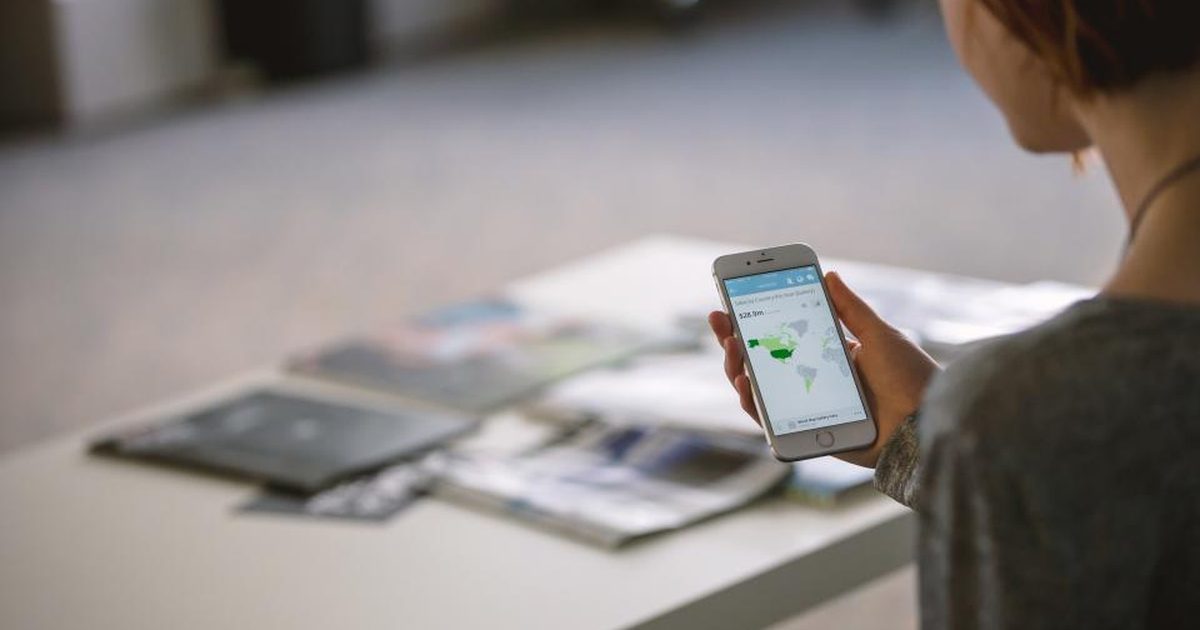
The short answer: you probably will not stop comparing yourself to others completely, because comparison is a normal part of how people work out where they stand. What you can do is stop it running the show. Notice the moment it starts, remember you are seeing other people's highlights rather than their whole lives, compare yourself with who you were a year ago instead, cut back on the feeds that reliably leave you feeling behind, and spend a few minutes each day writing down what is already good in your own life. Above all, meet the sting with kindness rather than criticism.
Kindwake keeps your apps locked each morning until you have written three things you are grateful for. Free for seven days.

It often happens before you are even properly awake. You open your phone and within a minute someone has been promoted, someone is on a beach, someone has a tidier kitchen, a calmer baby or a better body. Nothing about your life has changed, but it suddenly feels smaller. If that sounds familiar, you are in good company.
Why we compare ourselves to others
Comparison is not a character flaw. In 1954 the psychologist Leon Festinger put forward what became known as social comparison theory: the idea that people evaluate their own opinions and abilities by looking at other people, especially when there is no clear, objective measure to go on. How good a cook am I? Am I doing all right for my age? There is no official scale for most of life, so we look around.
Upward comparison means measuring yourself against someone who seems to be doing better. Downward comparison means measuring yourself against someone who seems to be doing worse. Neither is automatically good or bad. Upward comparison can inspire you, and downward comparison can make you feel lucky. The trouble starts when the comparisons are constant, mostly upward, and against people whose lives you only see in part.
Why social media makes it so much harder
You used to compare yourself with a few dozen people you knew, bad days included. Now it is thousands, mostly strangers, and you mostly see the moments they chose to share.
The research here is still developing, but it points in a consistent direction. In a 2014 paper by Vogel and colleagues, people who used Facebook more often reported lower self-esteem, and this link was explained in part by greater exposure to upward comparisons on social media. In a second experiment from the same paper, people who looked at a profile full of upward comparison information, such as an active social life and healthy habits, came away with lower self-esteem than people who saw a profile without it.
There is also some evidence that cutting back helps. In a University of Pennsylvania experiment, 143 students who limited Facebook, Instagram and Snapchat to around ten minutes each a day for three weeks showed significant reductions in loneliness and depression compared with a group who carried on as normal. That was one study of young adults, so it is worth holding lightly, but it fits what many people notice for themselves.
How to stop comparing yourself to others: 8 gentle ways
You do not need all eight. Pick the two or three that fit your life and try them for a fortnight.
- Notice the moment it starts. Comparison usually runs in the background, so the first step is simply catching it. When you feel that small drop in your stomach, name it quietly: "there I go, comparing again." You are not trying to stop the thought, only to see it as a habit rather than the truth. Noticing is what gives you a choice.
- Ask what the comparison is telling you. Envy can be useful information. If you keep feeling a pang about a friend's new job, it may be pointing at something you want for yourself. Ask what, specifically, you wish you had, and whether there is one small step you could take towards it this week. If the honest answer is "nothing, I just felt bad," that is useful to know too.
- Remember you are seeing their highlights. You are comparing everything you know about your own life, including the dull Tuesdays and the 3am worries, with the small slice of someone else's that they chose to show. It is not a fair contest, and it was never meant to be one.
- Compare yourself with your past self. If you need a yardstick, use the person you were a year ago. Are you a little kinder, a little braver, a little better at something you care about? Progress against your own starting point is fairer, and much more likely to tell you something useful.
- Change what you see. Mute or unfollow accounts that reliably leave you feeling behind, even if you like the person. If it feels like a bigger reset is needed, our guide to taking a break from social media walks through how long to step away and how to come back without sliding straight in again.
- Write down what is already yours. Comparison pulls your attention to what other people have. Gratitude gently pulls it back to what you have. In research by McCullough, Emmons and Tsang, people with a more grateful disposition tended to report less envy and fewer materialistic attitudes. And in experiments by Emmons and McCullough, people asked to list things they were grateful for were compared with people who listed hassles, neutral events or social comparisons, and the gratitude groups came out ahead on several, though not all, measures of wellbeing. Keep it specific and small: the friend who texted, the warm bath, the thing you finally finished. Our list of things to be grateful for has ideas for days when your mind goes blank.
- Meet the sting with kindness. Feeling behind is painful, and most of us respond by adding criticism on top: "why can't I get it together?" Try speaking to yourself the way you would speak to a friend who told you the same thing. In a large study by Neff and Vonk, self-compassion was more strongly linked to lower social comparison and more stable feelings of self-worth than self-esteem was. The study measured links rather than cause and effect, but it makes sense: self-esteem asks "am I better than others?", while self-compassion does not need the answer. Our guide to practising self-compassion has seven simple exercises to start with.
- Turn envy into connection. Where it feels honest, send the congratulations, or ask the person how they did it. It is hard to stay in a silent contest with someone once you are talking to them, and you often learn their life has its own difficult parts too.
Start the day with your own life. Kindwake keeps the apps you choose locked each morning until you have written three things you are grateful for, so the first thing you see is what is good in your life, not other people's highlights. You can add an optional reflection or an intention ("How will you show up today?") if it helps. There is an emergency unlock, so it is never a prison.
When comparison is actually useful
It would be unkind to tell you never to compare. Seeing a friend run a marathon might be the nudge that gets you out for your first jog. Watching someone further along in your field can show you the next step. The question is not whether you compare, but how you feel afterwards.
Helpful comparison leaves you curious, with a sense of "I could try that." Unhelpful comparison leaves you feeling small or resentful. If it is mostly the second, that is your cue to use the ideas above, not to try harder to keep up.
A gentler morning makes a difference
For many people, comparison is at its worst in the first half hour of the day, when you are tired and the first thing you see is a feed full of people who seem to have it all worked out. One small change that helps is not looking at anyone else's life until you have spent a few minutes with your own. Make a drink, open a window, write down three things you are glad about, then pick up your phone. If that is easier said than done, our guide on how to stop checking your phone first thing has practical ways to make it stick.
When it is more than a habit
For some people, comparison is tied up with low mood, anxiety, body image worries or a long-standing sense of not being good enough. If it is affecting your sleep, eating, relationships or work, or you have felt low for more than a couple of weeks, please talk to your GP or someone you trust. In England you can also refer yourself to NHS talking therapies for anxiety and depression. Getting support is not a failure of willpower. It is a sensible next step.
Common questions
Why do I compare myself to others so much?
Because it is a normal part of how people work out where they stand. Psychologist Leon Festinger proposed in 1954 that we evaluate our own abilities and opinions by comparing them with other people's, especially when there is no clear objective measure. Social media simply gives you far more people to compare with.
Is comparing yourself to others ever healthy?
Sometimes. Seeing someone a little further along can show you what is possible and give you ideas. It becomes unhelpful when it leaves you feeling small, stuck or resentful rather than curious, or when you compare constantly with people whose lives you only see in highlights.
How do I stop comparing myself to others on social media?
Change what you see and when you see it. Mute or unfollow accounts that reliably leave you feeling behind, notice how you feel after a scroll, and keep the first part of your morning free of feeds so your day starts with your own life rather than other people's highlights.
Does gratitude help with comparison?
It seems to. In research by McCullough, Emmons and Tsang, people with a more grateful disposition tended to report less envy. Gratitude does not stop you noticing other people, but it gives your attention somewhere steadier to rest: what is already good in your own life.
The one thing to take away
You are not behind. You are comparing your whole life with the edited parts of other people's. Next time you feel that familiar drop, pause, name it, and bring your attention back to one thing in your own life that is good today. Do that often enough, and other people's lives start to look like what they are: interesting, sometimes inspiring, and not a scoreboard.
Related
Wake up kind to yourself
Kindwake keeps your chosen apps locked each morning until you have written three things you are grateful for. Free for seven days.
Get Kindwake →