
Why to Keep Your Phone Out of the Bedroom (and How to Make It Stick)
4 November 2026 · 7 min read
The short answer: keeping your phone out of the bedroom helps because a phone within reach gets used, and using it in bed is linked to falling asleep later and sleeping less soundly. Charging it in another room removes the late-night scroll, the 3am check and the first-thing-in-the-morning grab in one go. The usual reasons for keeping it close, the alarm, the podcast, the fear of missing an urgent call, all have simple fixes.
Kindwake keeps your apps locked each morning until you have written three things you are grateful for. Free for seven days.

Most of us did not decide to sleep next to our phones. It happened gradually, because that is where the charger was and because the phone replaced the alarm clock. So it is worth looking at what that small arrangement actually costs, and how to undo it without feeling cut off.
What a phone by the bed does to your sleep
There are a few separate effects here, and it helps to keep them apart.
Using it in bed delays sleep. In a 2022 study that paired people's app usage logs with sleep data from a ring sensor, smartphone use in bed was associated with worse sleep, including taking longer to fall asleep and more time awake. Interestingly, using the phone outside of bed was not linked to poorer sleep in the same way. Where you use it seems to matter as much as how much.
Keeping it near the pillow is linked to more disturbed nights. A survey of 1,925 university students found that keeping a phone near the pillow while sleeping was associated with daytime sleepiness, sleep disturbances and taking longer to fall asleep. Seven in ten of the students did it. Studies like these show links rather than proof of cause, but they point in the same direction.
The light works against you. Oxford Health NHS Foundation Trust explains that the blue light from screens mimics sunlight and signals the brain to stop producing melatonin, the hormone that helps you feel sleepy. And even the dimmest screen does nothing about the content keeping you awake.
It is never fully off. The Sleep Foundation notes that sounds and blinking lights from devices can wake you, and that even a silenced phone creates the temptation to look at it during the night. Its most direct advice is simply to remove devices from the bedroom, and to stop using them an hour or more before bed.
Why "I'll just not look at it" rarely works
If you have tried leaving the phone on the bedside table and simply not touching it, you will know how that tends to go. That is not a willpower problem. It is what phones are like.
A well-known study from the University of Texas at Austin asked people to do demanding tests with their phones either on the desk, in a pocket or bag, or in another room. Those whose phones were in another room did noticeably better than those with the phone on the desk, and it made no difference whether the phone was switched off or lying face down. The researchers' explanation was that part of your mind stays busy not reaching for it.
That was in a lab, not a bedroom, but the idea transfers well. A phone on the bedside table is a small, constant question. A phone in the kitchen is not. And the habit is strong: Ofcom found back in 2018 that people in the UK check their phones every 12 minutes of the waking day. Asking a tired brain to break that pattern at midnight is asking a lot. Moving the phone asks nothing of you at all once it is done.
We go deeper into this pattern in our guide on how to break phone addiction, but the short version is that changing the setup beats trying harder.
How to start charging your phone outside the bedroom
Six steps. The first three remove the practical reasons for keeping the phone close. The rest make the change feel like an easy evening rather than a sacrifice.
1. Pick the phone's new spot
Choose one place: the hallway, the kitchen worktop, the landing. Put a charger there permanently, ideally a spare one so you never have to carry the bedroom charger back and forth. A phone with a proper home is much easier to leave than a phone on the floor by the door.
2. Replace the alarm
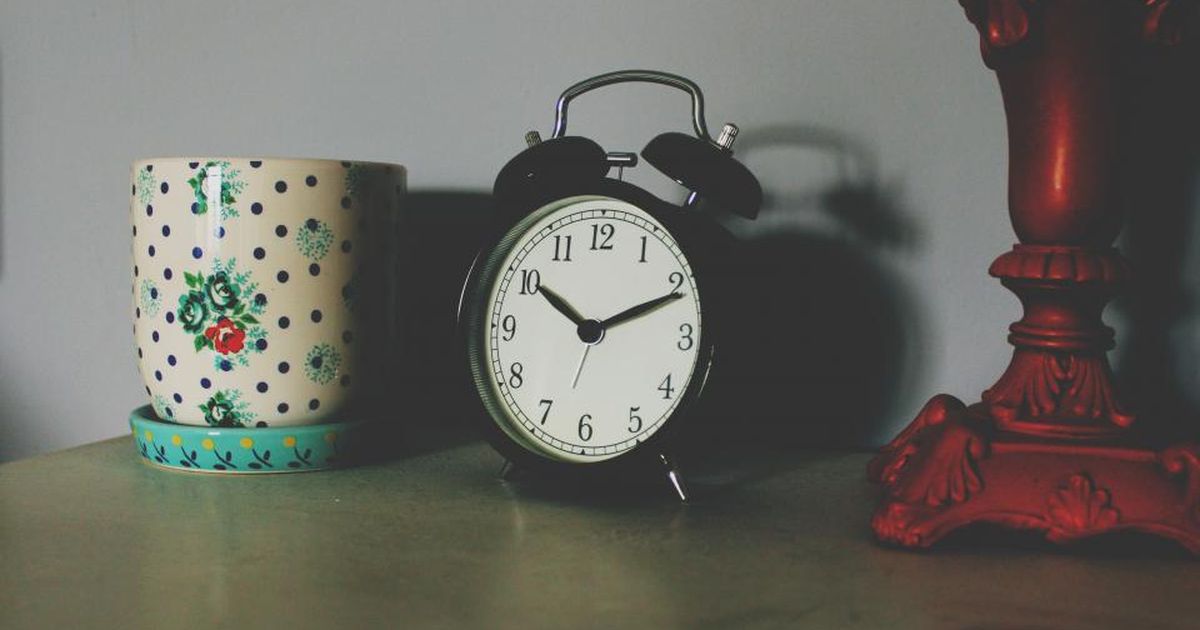
This is the reason most people give, and it is the cheapest to solve. A basic alarm clock costs very little. If you dislike harsh alarms, a sunrise lamp is a gentler alternative. Either way, the hand that turns off the alarm in the morning is no longer already holding your phone, which is exactly how the first-thing-in-the-morning check usually starts.
3. Let the important calls through
If you worry about missing a call from an elderly parent or a child away from home, that is a reasonable worry. On iPhone, a Sleep Focus can hold back notifications overnight while still allowing interruptions from the people you choose. Keep the phone where you would hear it ring, such as just outside the bedroom door, and you are reachable without it being in arm's reach.
4. Swap the bedtime scroll
Taking the phone away leaves a gap in the last few minutes of the day, and gaps get filled. Leave something by the bed that is pleasant and finite: a paperback, a notebook for three lines about the day, or a cheap speaker for the podcast or sleep sounds you would otherwise play from the phone.
5. Set a phone bedtime
Pick a time when the phone goes on charge for the night, ideally around an hour before you plan to sleep, in line with the Sleep Foundation's advice. It does not have to be strict. The point is that plugging it in becomes the signal that the day is winding down, rather than a decision you have to make each night. If the late nights are less about the phone and more about finally having some time to yourself, that has a name, revenge bedtime procrastination, and it helps to tackle it at the root.
6. Start with weeknights
Try it for five nights rather than forever. Notice how long it takes you to drop off, how often you wake, and how the mornings feel. If the evenings start to feel longer and calmer, that is usually what keeps people going. To make the most of the extra time, our guide to a simple evening routine shows how to build a calm wind-down around it.
When the phone has to stay in the room. Sometimes another room is not realistic: a small flat, a partner on call, a baby monitor app. Kindwake can help there. It keeps the apps you choose locked each morning until you have written three things you are grateful for, and there is an optional evening lock for the late-night scroll too. If you genuinely need something, there is always an emergency unlock.
If you share a bedroom
This works best when both of you do it, but it does not have to start that way. Rather than asking your partner to change, try it yourself for a week and mention how it is going. If you have ever lain awake beside someone lit up by their screen, you will know why a bedroom without phones can feel more like a place to talk, read or simply rest. If your partner's phone stays, ask them to keep it on silent and face down. That alone takes away a lot of the glow and buzz.
What changes in the morning
You may find the biggest difference is not at night but at 7am. Without the phone beside you, the first few minutes of the day are yours: you wake, you get up, and there is nothing to react to yet. That is a good moment to do something small and kind for yourself, like writing down three things you are grateful for. If you want ideas, there are 60 gratitude journal prompts here, and our morning routine ideas start from two minutes. If you often wake with a knot in your stomach, there is also a gentle ten-minute routine for waking up with anxiety.
Honest note: the hallway is the real fix
For most people, a spare charger in the hallway and a cheap alarm clock are the whole answer, and you do not need any app at all. If that works for you, that is genuinely the best outcome. Tools like Kindwake are most useful when the phone has to stay nearby, or when the habit is strong enough that you would just walk to the hallway and fetch it.
Common questions
Is it bad to sleep with your phone next to your bed?
It is not dangerous, but it tends to make sleep worse. Studies have linked using a phone in bed, and keeping it near the pillow, with taking longer to fall asleep and more disturbed sleep. Most of the harm comes from what you do with it, and having it in reach makes that far more likely.
What if someone needs to reach me in an emergency?
Keep the phone close enough to hear, such as on the landing with the door ajar, and use a Sleep Focus that lets calls from chosen people through. You stay reachable without the phone sitting next to your pillow.
What should I use as an alarm instead of my phone?
A basic alarm clock is the simplest answer and costs very little. A sunrise lamp is a gentler option if you dislike loud alarms.
How far away should my phone be at night?
Another room is best, because it removes the temptation entirely. If that is not possible, put it across the room where you would have to get up to reach it, face down and on Do Not Disturb.
The one thing to take away
Tonight, plug your phone in somewhere that is not your bedroom. Set an old-fashioned alarm, take a book to bed, and see how tomorrow morning feels. It is one of the few changes that helps your evening, your sleep and your morning all at once, and it costs almost nothing.
Related
Start the day with you, not your phone
Kindwake keeps your chosen apps locked each morning until you have written three things you are grateful for. Free for seven days.
Get Kindwake →